How do communication tools support behavior management in elementary classrooms?
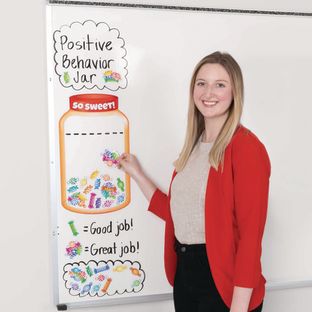
Communication tools designed for behavior management help students track their own progress and make choices independently. Mini behavior trackers with movable sliders let students self-monitor throughout the day, even when they travel to specials or lunch.
Are these communication products age-appropriate for PreK and kindergarten students?
Yes, many communication tools in this category are designed specifically for early learners. Products span grade levels from PreK through eighth grade and beyond, with many visual supports, token boards, and First-Then systems built for PreK and kindergarten readiness.
What types of visual supports are available for students with special needs or autism?
Visual support tools include folders with attachable picture cards, First-Then boards, and card sets that help students understand schedules, rules, and behavior expectations. These products use clear imagery to support students with autism, language delays, or other special needs.
How do response tools help with student engagement and formative assessment?
Response fans and daily response sticks give every student a voice during whole-class instruction. Student response fans offer multiple answer options like True/False, Yes/No, and I understand/I don't understand, allowing you to assess comprehension at a glance without verbal responses.
Can communication tools support social-emotional learning and mindfulness practices?
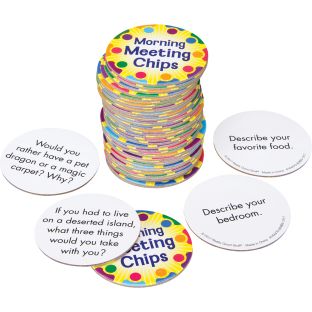
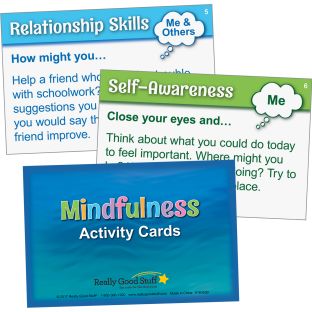
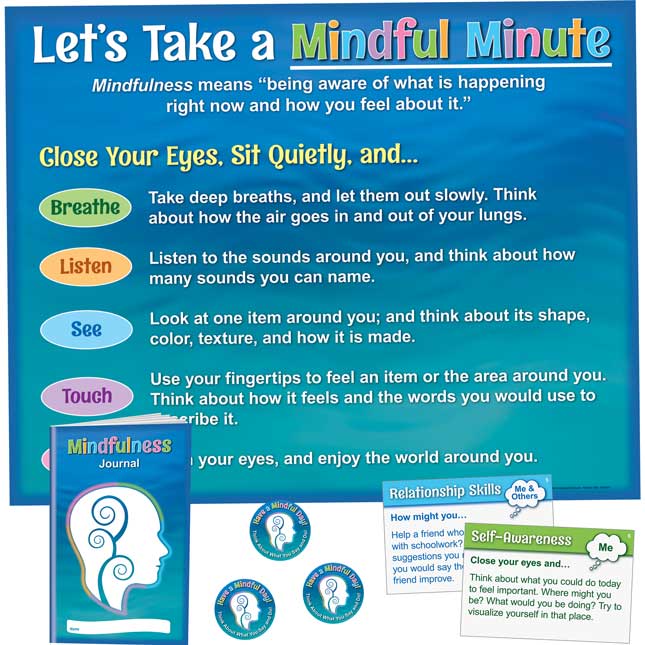
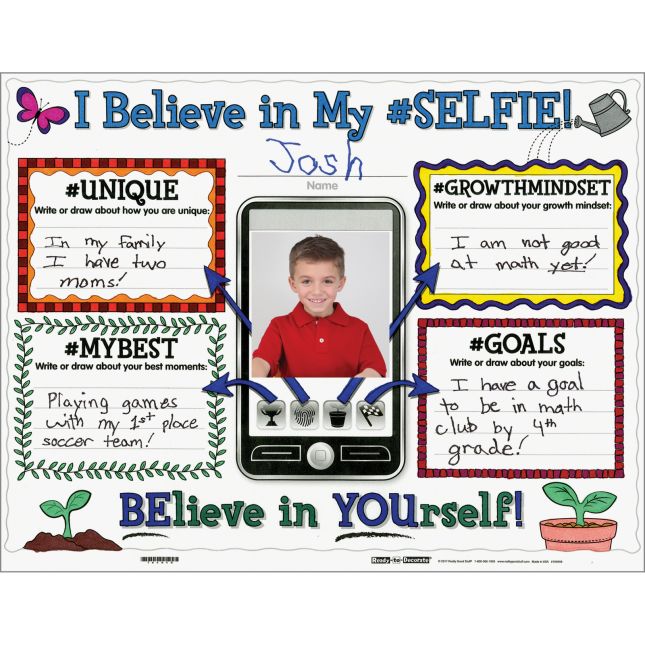
Absolutely. Social-emotional learning card sets guide students through mindfulness activities that build self-awareness, self-management, and relationship skills. Morning meeting chips spark community-building discussions, while frustration choice cards help students identify healthy coping strategies. Mini flip charts let students self-assess and communicate their emotional or academic status without disrupting classmates.
Are these products durable enough for daily classroom use?
Communication tools from Really Good Stuff are built for high-use classroom environments. Materials include sturdy plastic, laminated cardstock, and chipboard that stand up to repeated handling by multiple students. Magnetic components, adhesive mounts, and velcro attachments ensure products stay secure on desks, walls, or boards throughout the school year.
How do pocket charts help display learning goals and classroom expectations?
Learning goals pocket charts provide a clear, changeable display for daily objectives and classroom expectations. These charts feature acetate pockets that hold standard-size pages, so you can print or write your goals and slip them in quickly. Durable laminated headers organize the display, and grommets allow easy wall mounting.
What mounting and display options are available for communication tools?
Communication products offer flexible mounting methods to fit your classroom setup. Options include adhesive or desk-mount systems for individual student trackers, magnetic components for whiteboards and metal surfaces, grommets for wall hanging, freestanding boards, and velcro attachments for portable use.