Skip to Content Skip to Navigation
FREE Shipping on in-stock orders over $99 - use code SHIP99

spanish syllable activities for young learners

0 Products found
0 Products found
0 Products found

Spanish Syllables Teaching Materials

Build foundational Spanish phonological awareness with hands-on syllable tools designed for effective segmenting, blending, and word-building practice. Really Good Stuff® offers a broad assortment of teacher-ready materials, including flip books, task cards, puzzles, dice games, and self-checking centers, that help students in PreK through 3rd Grade master open, closed, inverse, and compound syllable structures. Explore a variety of product formats, skill focuses (syllable reading, blending, segmenting, word building), and target word lengths (2-syllable through 5-syllable words) to support differentiated instruction and small-group work. These standards-aligned resources pair naturally with Spanish language arts activities and Spanish high-frequency word practice, and many include teaching guides for minimal prep. Explore the selection to find engaging, classroom-ready options that support Spanish literacy development across grade levels.

Category at a Glance

For Elementary Teachers

Minimal prep, standards-aligned

These resources are designed to fit into your existing Spanish phonological awareness instruction without extra setup. Each format, from self-checking task cards to manipulative kits, supports syllable segmentation and blending, core skills that drive reading fluency in Spanish.

Grade Levels

PreK-Grade 3

Explore a range of options spanning from early kindergarten readiness through upper elementary. Materials address foundational letter formation and direct syllables for younger learners, then progress to complex syllable structures and multi-syllabic word building for older students.

Product Formats

9+ interactive styles

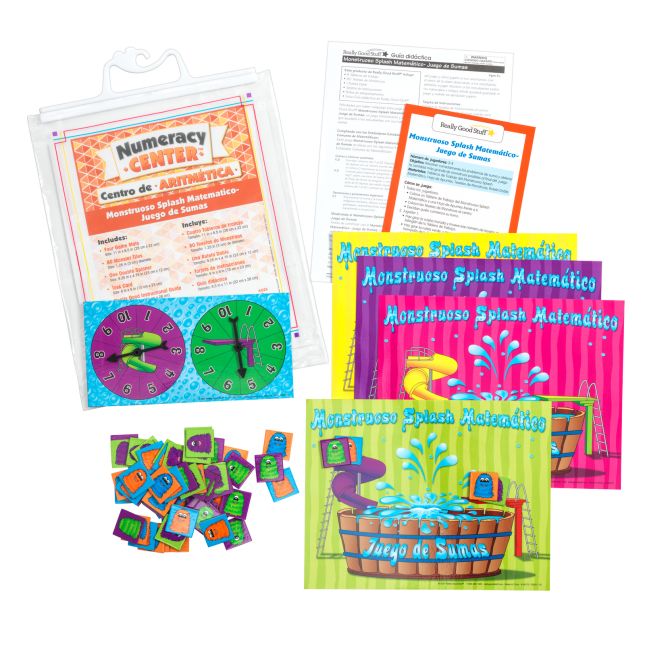
Choose from flip books, dice games, task cards, puzzles, slide-and-learns, flip charts, kits, board games, and journals, each format supports different learning modalities and small-group structures. Many include self-checking features so students can work independently while you focus on other guided groups.

Expert Recommendations

Building Spanish Literacy Centers That Run Themselves

Elementary teachers need Spanish syllable materials that support independent practice while you work with small groups. These self-checking tools let students build phonological awareness at their own pace, minimal prep required. From word-building mats with built-in answer keys to interactive puzzles and games, each resource keeps learners engaged and accountable. Perfect for literacy stations, early finishers, or differentiated instruction across kindergarten through second grade classrooms.

Complete Syllable Instruction Toolkit for PreK-K

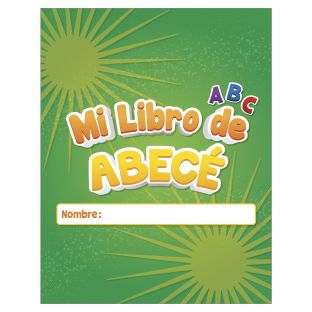
PreK and kindergarten teachers need age-appropriate materials that bridge early literacy skills and prepare students for formal reading instruction. This collection focuses on hands-on, developmentally appropriate tools for syllable awareness, from desktop pocket charts that teach syllable manipulation to journals that reinforce letter formation and direct syllables. Each item supports multi-sensory learning and builds the phonological foundation young learners need before tackling complex decoding.

Differentiated Word-Building for Mixed-Ability Groups

When your Spanish learners span multiple skill levels, you need materials that adapt to each student's readiness. This selection offers scaffolded support, from flip books that build fluency with repetitive two-syllable words to advanced task cards and multi-syllabic tile sets for confident readers. Use the flip chart as your whole-group anchor, then assign leveled activities that match where each child is today. Everything aligns to phonics progressions, helping you meet diverse needs without creating multiple lesson plans.

Equip Your Entire Classroom with Spanish Syllable Resources

Building Spanish phonological awareness across your classroom or program requires materials that work for small groups, literacy centers, and independent practice, all at once. Really Good Stuff offers a broad assortment of Spanish syllable tools designed for classroom-ready implementation, so you can equip every learning station without piecing together resources from multiple sources.

Explore options including flip books for syllable reading fluency, task cards for word building, puzzles for syllable segmenting, and dice games that make blending practice engaging. Materials are available for PreK through 3rd Grade and address a range of syllable types, open (direct), closed, inverse, and blends (compound), with skill focuses spanning syllable blending, segmenting, word building, and phoneme awareness. Many items include teaching guides or are self-checking, helping you maximize instructional time while supporting differentiated learning.

Our Really Good Stuff® Spanish syllable materials are teacher-designed and standards-aligned, removing the guesswork from curriculum integration. Whether you're setting up literacy centers, supporting dual-language learners, or building fluency with multi-syllabic words, you'll find resources that are durable, easy to prep, and ready to use at scale, so you can focus on what matters most.

For bulk or custom orders and institutional pricing, shop bulk supplies.

Frequently Asked Questions About Spanish Syllables

What age and grade levels are Spanish syllable materials designed for?

Spanish syllable materials are designed for ages 4-7 and span PreK through 3rd Grade. Most products focus on Kindergarten through 2nd Grade, when students are actively building phonological awareness and decoding skills.

How do Spanish syllable products help with phonological awareness?

Spanish syllable products build phonological awareness by teaching students to segment, blend, and manipulate syllables, the building blocks of Spanish words. Activities include naming pictures and sliding chips for each syllable, building words with syllable tiles, and reading flip books with repetitive syllable patterns.

What syllable types are covered in these materials?

Materials cover a range of syllable types including open (direct) syllables, closed syllables, inverse syllables, and blends (compound syllables). Products also address mixed syllable structures and target word lengths from two-syllable up to five-syllable words.

Are there self-checking options for independent practice?

Yes, many Spanish syllable materials include self-checking features that support independent and center-based learning. Self-checking products display answers on the reverse side of cards, use color-coded systems, or provide visual cues so students can verify their work without teacher assistance.

What product formats are available for teaching Spanish syllables?

Explore a variety of product formats including flip books, dice games, task cards, puzzles, kits and centers, slide and learns, flip charts, board games, and journals.

Do these materials include teaching guides or instructional support?

Many Spanish syllable products include teaching guides that provide lesson ideas, activity instructions, and implementation tips to help you integrate materials into your literacy block with minimal prep. Guides support both experienced Spanish-language teachers and those newer to bilingual instruction by offering clear, practical steps.

Can these materials support differentiated instruction across multiple grade levels?

Absolutely. Spanish syllable materials are designed to support differentiated instruction with products spanning skill levels from basic direct syllables to advanced blends and multi-syllabic word building. Teachers can select activities by syllable type, target word length, and skill focus, such as syllable segmenting, blending, or word building, to meet individual student needs.

How do Spanish syllable resources connect to other literacy skills?

Spanish syllable instruction connects directly to broader literacy skills including phoneme awareness, letter formation, word building, and reading fluency. Products that combine syllable practice with letter recognition and high frequency words help students see the relationships between sounds, symbols, and meaning.