Skip to Content Skip to Navigation
FREE Shipping on in-stock orders over $99 - use code SHIP99

science of reading for every classroom

73-74 of 74 items
73-74 of 74 items
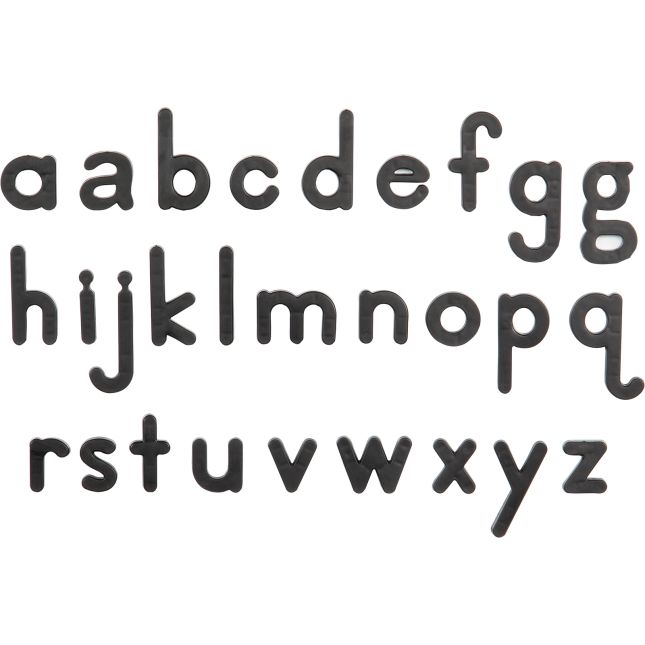
Excellerations® NatureForce™ Translucent Magnetic Chips - 100 Pieces
Excellerations® Metal-Edged Chips for Magnets - 100 Pieces

Research-Backed Literacy Tools to Support Every Reader

Really Good Stuff is your trusted partner for science of reading resources that equip every classroom with the structured literacy tools teachers need. Our assortment supports phonemic awareness, phonics, and decoding with hands-on manipulatives, CVC word games, blends and digraphs tiles, and self-checking flash cards designed to help students build foundational reading skills. Explore options across grade levels from Kindergarten through 3rd Grade, with durable, classroom-ready materials from Excellerations® and Really Good Stuff® that deliver everyday value and support equitable access across your district. These research-aligned resources remove friction for administrators and empower teachers to focus on what matters most, measurable literacy outcomes for every learner.

Category at a Glance

For District Administrators Research-backed, standards-aligned Every product in this collection supports structured literacy instruction aligned with science of reading principles. Built for districts seeking measurable learning outcomes and durable, classroom-ready solutions that work at scale across all grade levels.
Educator Favorites 5.0★ avg rating Teachers consistently rate these phonics and word-building tools as essential classroom materials. Real educators depend on these products for phonemic awareness, decoding practice, and hands-on literacy instruction.
Grade Levels Served Kindergarten-Grade 3+ Explore a variety of tools designed for early readers, including CVC word games, blends and digraphs activities, phonics cards, and magnetic tiles that support progressive skill-building from phonemic awareness through early decoding.
For Classroom Teachers Minimal prep, maximum impact These teacher-designed, ready-to-use materials fit directly into literacy centers and small-group instruction without extensive setup. Self-checking formats and visual cues help differentiate instruction and build student independence while managing classroom time efficiently.

Expert Recommendations for Your Literacy Program

Building Foundational Phonics Skills in Kindergarten and First Grade

Early readers need hands-on, multisensory tools to master phonemic awareness and CVC word patterns. These research-backed games and manipulatives help students decode words independently while building confidence through self-checking features and visual cues that support differentiated instruction.

Supporting Small Group Instruction with Blends and Digraphs

As students progress beyond basic CVC words, they need targeted practice with blends, digraphs, and phonogram patterns. These tools provide tactile, engaging ways to differentiate instruction during guided reading groups, helping students manipulate sounds and build increasingly complex words with minimal prep time.

Equipping Literacy Centers with Durable, Multi-Use Resources

Literacy centers require materials that withstand daily use across multiple rotations and grade levels. These versatile tools support independent practice in word building, decoding, and spelling, freeing teachers to focus on targeted interventions while students work through structured activities at their own pace.

Science of Reading Tools That Support Every Learner

Science of reading instruction relies on structured, systematic materials that build phonemic awareness and decoding skills from the ground up. Really Good Stuff provides classroom-ready tools designed to support evidence-based literacy practices, helping administrators equip every teacher with resources that work at scale and helping educators deliver consistent, research-backed instruction without hours of prep.

Explore a variety of phonics games, CVC word-building activities, magnetic letter tiles, and self-checking flash cards that reinforce blends, digraphs, and phonogram recognition. These hands-on manipulatives give students concrete practice sounding out words, identifying letter patterns, and building fluency in small-group or independent work. Visual cues and color-coding support differentiated instruction, so early readers and struggling learners can progress at their own pace while teachers monitor growth across the classroom.

Materials are available for kindergarten through third grade, aligning with the developmental stages of phonological awareness and decoding. Durable components stand up to daily use across multiple classrooms, and minimal-prep formats mean teachers can focus on instruction rather than assembly. From stacking tiles that build short-vowel words to puzzle sets that connect sounds with images, each tool is designed to make structured literacy accessible and engaging.

For district administrators, bulk ordering ensures every classroom has the manipulatives needed for consistent, equitable literacy instruction. Standards-aligned resources support measurable learning outcomes and help educators implement phonics-first approaches with confidence. Teachers gain ready-to-use activities that fit seamlessly into guided reading, literacy centers, and intervention time, removing friction and freeing up time for what matters most: helping every student become a confident, capable reader.

For bulk or custom orders and institutional pricing, shop bulk supplies.

Science of Reading FAQs

What makes Science of Reading materials different from traditional literacy resources?

Science of reading materials are grounded in decades of research on how the brain learns to read, emphasizing explicit phonics instruction, phonemic awareness, and systematic skill-building rather than cueing strategies.

How do these products support phonemic awareness and phonics instruction?

Our tools offer concrete, manipulative-based practice that builds foundational skills, from isolating individual sounds to blending and segmenting phonemes. Items like magnetic letter tiles, CVC word puzzles, and blends and digraphs games provide tactile, visual learning experiences that reinforce sound-symbol relationships.

Can I order Science of Reading materials in bulk for district-wide implementation?

Yes, we support district-wide adoption with bulk ordering options designed to ensure every classroom has consistent, high-quality materials at scale. Our simple procurement process accommodates PO-based ordering and district billing, removing friction so you can focus on equipping teachers with the solutions they need.

Are these resources appropriate for kindergarten through second grade?

Most of our science of reading materials are designed for students in kindergarten through third grade, the critical window for foundational literacy development.

Do your Science of Reading tools require a lot of prep time?

No, our resources arrive classroom-ready with minimal prep required, so teachers can start instruction immediately. Self-checking features, write-on/wipe-off surfaces, and clear visual cues support independent and small-group work, freeing you to focus on targeted instruction rather than setup.

How do these materials support differentiated instruction for varied reading levels?

Our science of reading tools include manipulatives, games, and visual supports that allow you to tailor instruction to each student's skill level, from emergent readers building CVC words to more advanced learners tackling blends and digraphs.

Are these products aligned with state literacy standards and Common Core?

Yes, all of our science of reading materials are standards aligned and designed to support evidence-based literacy instruction required by many states. We focus on the systematic, explicit phonics and phonemic awareness skills that form the foundation of Common Core reading standards for early grades.

What if my teachers are new to Science of Reading instruction?

Our resources are designed to be teacher-friendly and intuitive, with built-in instructional support through visual cues, color-coding, and clear activity structures that guide both educator and student. Many items include self-checking features that scaffold learning and reduce the cognitive load on teachers who are transitioning to structured literacy approaches.