How do I select the right seat height for different grade levels?
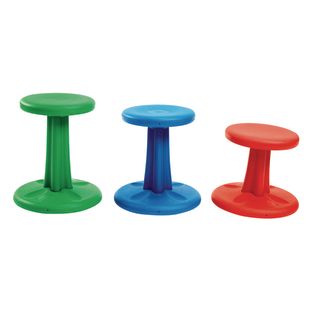
Seat height is designed to match the developmental needs of each age group. Explore options including 10-inch seats for PreK and early Kindergarten students, 12-inch seats for Kindergarten through second grade, 14-inch seats for third through fifth grade, and 16 to 18-inch heights for middle school.
Are these chairs durable enough for high-traffic classroom use across an entire district?
The seating in this assortment is built for the demands of busy school environments. Materials include steel and metal frames, solid wood construction, and reinforced plastic with ribbing for structural integrity. Many designs are stackable for efficient storage and movement between spaces.
What seating types support active learning and flexible classroom arrangements?
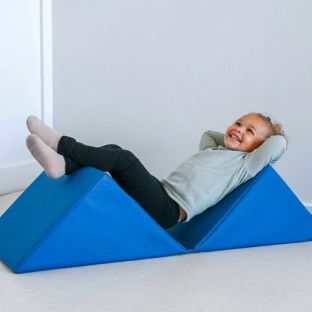
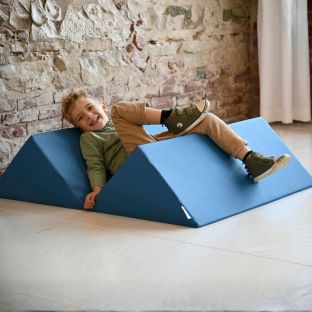
This category includes a variety of seating types designed for modern, dynamic learning spaces. Options include wobble chairs that encourage movement and core engagement, floor pillows and bean bags for reading corners, stackable chairs for quick reconfiguration, benches for collaborative work, and specialty seating like rockers.
Can I order classroom seating in bulk for consistent outfitting across multiple schools?
Bulk ordering is available to support district-wide furniture initiatives. Pack quantities range from single units to sets of six, and many designs are offered in uniform colorways for visual consistency. Simple procurement processes support PO-based ordering and district billing, removing friction from large-scale furniture rollouts.
Which seating options meet safety and developmental standards for PreK programs?
For ages three to five, this selection offers age-appropriate materials including soft foam cushions, upholstered fabric seating, and low-height designs that support independent sitting and movement. Options like floor pillows, ottoman-style cushions, and child-sized armchairs create inviting, safe spaces for sensory and play-based learning.
What materials are easiest to clean and maintain in early childhood and elementary classrooms?
Materials available in this category include foam with washable covers, vinyl-upholstered seating, plastic and polypropylene shells, and treated wood finishes. These surfaces support regular cleaning protocols essential in PreK through elementary settings. Designs with wipeable, non-porous exteriors reduce maintenance time while meeting hygiene standards.
How do wobble chairs and specialty seating support student engagement and focus?
Active seating like wobble chairs allows controlled movement that can help students channel energy and maintain attention during instruction. These designs encourage core engagement and posture shifts without disrupting classmates. Specialty seating options, including rockers and balance stools, provide sensory input that supports diverse learning needs.
Are there seating solutions that work for both indoor classrooms and outdoor learning spaces?
Indoor and outdoor use options are available across this category. Indoor-only seating includes upholstered and fabric designs ideal for libraries and reading areas, while indoor-outdoor options feature weather-resistant materials like treated plastic, polypropylene, and steel frames. Outdoor-rated seating supports emerging outdoor classroom initiatives.